

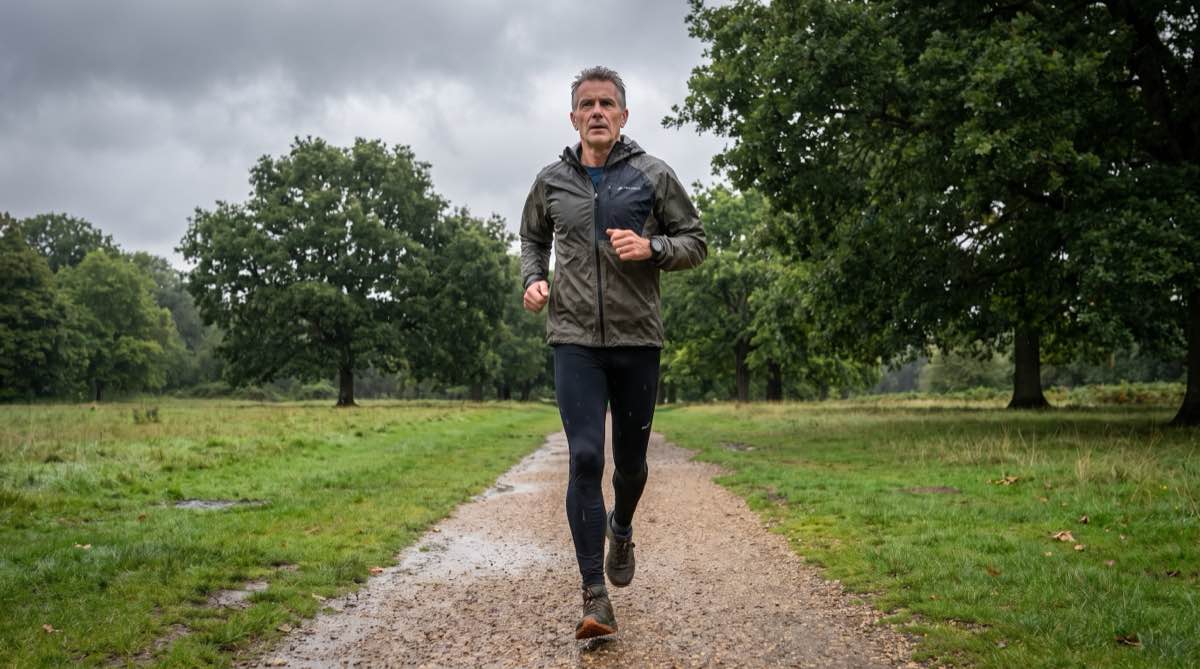
Dave, 47, from Leeds, has played Sunday league football for the best part of two decades. After prostate surgery three years ago, he assumed his Saturday mornings on the muddy pitches of Roundhay Park were finished. They weren't. "I bought a pair of washable incontinence boxers, did a couple of training sessions, and honestly — I forgot they were there," he says. "I'm still playing. I'm still terrible. Nothing's changed." Dave is far from alone. According to the NHS, urinary incontinence affects millions of men in the UK, yet the overwhelming majority can — and should — remain physically active. In fact, regular exercise is one of the most effective ways to support bladder health long term. The trick is knowing which sports work well, what kit to wear, and how to manage leaks with confidence rather than anxiety.
This guide covers ten sports that British men with bladder leaks play every week, with practical advice on how to keep going without compromise.
1. Football
Football is the nation's sport, and a bladder leak is not a red card. Stress incontinence — the kind triggered by sudden physical effort — is common in men who have had prostate treatment, according to Prostate Cancer UK. Sprinting, turning sharply, and jumping can all increase intra-abdominal pressure, which can cause a small leak.
Practical tips: wear a well-fitted pair of washable incontinence boxer briefs under your kit. Avoid large volumes of fluid in the 30 minutes before kick-off, but do stay hydrated throughout — concentrated urine irritates the bladder lining and can make leaks worse. If your club uses communal changing rooms, modern washable protection looks indistinguishable from regular underwear.
2. Cycling
Cycling — whether you're doing a Parkway commute or a sportive through the Dales — is low-impact and kind to the pelvic floor. The NHS recommends 150 minutes of moderate aerobic activity per week, and cycling counts. The seated position reduces the sudden pressure spikes associated with running, making it one of the most bladder-friendly cardio options available.
Practical tips: plan your route around known public toilets or café stops. Use a cycling app such as Komoot or OS Maps to identify facilities in advance. Padded cycling shorts worn over absorbent boxer briefs provide both comfort and discretion.

3. Swimming
Swimming pools and incontinence — it sounds like an uncomfortable combination, but the water masks any leak entirely, and the buoyancy removes pressure from the bladder. The British Association of Urological Surgeons (BAUS) encourages men recovering from prostate procedures to return to low-impact exercise as soon as their clinical team approves it, and swimming is typically cleared early in that process.
Practical tips: change into dry clothing promptly after swimming. Many men wear a thin absorbent liner or brief beneath a swimsuit for the walk to and from the pool. Chlorine and prolonged wetness can irritate the skin, so rinse thoroughly and apply a fragrance-free moisturiser if needed.
4. Golf
Golf involves a lot of walking, fresh air, and — crucially — ready access to the clubhouse. For men managing bladder leaks, this is a significant practical advantage. An 18-hole round gives you natural breaks, and most courses have facilities at the halfway point. The rotational swing motion does place brief pressure on the core, but for most men with mild to moderate leaks, this is entirely manageable with appropriate protection.
Practical tips: use a course map to identify toilet locations before you tee off. If you're playing a more remote nine holes, speak to the club in advance — most are accommodating. Loose-fitting golf trousers paired with absorbent boxer briefs keep you comfortable for a full round.
5. Running
Running is one of the activities most likely to trigger stress leaks due to the repetitive impact on the pelvic floor. That said, it is also one of the activities that, done correctly, can actually strengthen the pelvic floor over time. The NHS and Bladder & Bowel UK both recommend pelvic floor exercises — commonly called Kegel exercises — for men with urinary incontinence, and building these into your running warm-up can make a real difference within 12 weeks.
Practical tips: start with shorter distances at a gentle pace. Avoid running on a full bladder. Wear moisture-wicking, absorbent boxer briefs — the bamboo fibre in products like the Orykas Men's Washable Incontinence Boxer draws moisture away from the skin and reduces the risk of chafing during longer runs. If leaks are significant, speak to your GP about a referral to a continence nurse specialist before ramping up distance.

6. Gym and Weightlifting
Heavy compound lifts — squats, deadlifts, overhead presses — generate significant intra-abdominal pressure, and this can cause leaks in men with a weakened sphincter or overactive bladder. However, avoiding the gym entirely is counterproductive. Maintaining a healthy weight is one of the most evidence-backed strategies for reducing incontinence severity, as excess abdominal weight places constant pressure on the bladder.
Practical tips: work with a personal trainer or physiotherapist to modify your technique — particularly your breathing pattern during lifts. Breathe out on the exertion phase rather than holding your breath. Reduce load and build gradually. Wearing a supportive, absorbent brief gives you the confidence to focus on your form rather than your bladder.
7. Tennis and Racket Sports
Tennis, squash, and badminton all involve bursts of short, explosive movement. The unpredictability of the ball means you can't always time your exertion, which is why these sports can catch men off guard. Despite this, racket sports remain entirely accessible for men with mild to moderate incontinence.
Practical tips: visit the toilet immediately before play. Keep a spare pair of washable boxer briefs in your kit bag so that a small leak doesn't end your session. Club-level recreational play is typically less intense than competitive play — don't feel pressure to match a higher intensity than your bladder currently tolerates.
8. Yoga and Pilates
These may not be the sports that spring to mind when you think of a bloke from Leeds, but yoga and Pilates are increasingly popular among British men, and they are arguably the most pelvic-floor-friendly options on this list. Core-strengthening Pilates in particular overlaps directly with the pelvic floor rehabilitation exercises recommended by continence nurse specialists across the NHS.
Practical tips: tell your instructor about your continence needs if you are comfortable doing so — they can suggest modifications for inversions or certain abdominal exercises that might otherwise cause a leak. Studio classes are typically small and discreet; most instructors have encountered this before.
9. Walking and Hiking
Walking is the most accessible form of exercise in the UK, and it carries virtually no risk of triggering sudden leaks in most men. A brisk walk through the Peak District, along the South Downs Way, or simply around your local park meets the NHS's guidelines for moderate physical activity and supports healthy bladder function without placing stress on the pelvic floor.
Practical tips: for longer hikes, plan your route with toilet access in mind using the Bladder & Bowel UK community app, which maps public toilets across the UK. Layering a pair of absorbent washable briefs beneath walking trousers keeps you comfortable for multi-hour outings without bulk or noise.
10. Cricket
Cricket is as much a social occasion as a sport, and the rhythm of the game — long periods of fielding interspersed with brief bursts of activity — suits men managing leaks particularly well. Bowling can generate moderate abdominal effort, and batting requires short explosive sprints, but the overall pattern of play is manageable. Many village and club cricketers across England and Wales play well into their 60s and beyond.
Practical tips: use the drinks breaks and innings changeovers strategically. White flannels can feel intimidating, but modern washable incontinence boxer briefs contain leaks entirely within the garment. A dark-coloured inner layer or slim-fitting brief worn beneath whites provides additional confidence.

The Right Kit Makes the Difference
Whatever sport you choose, the single most important practical step is finding protection that works with your body — not against it. Disposable pads are bulky, noisy, and expensive over time. Washable incontinence boxer briefs designed specifically for men are a far better solution for active use.
Orykas UK produces three products built for exactly this purpose:
- Men's Washable Incontinence Boxer — ideal for moderate leaks and higher-intensity sport. The integrated absorbent panel is discreet and sits flat beneath any sportswear.
- 3 Pack Men's Light Leak Boxer Briefs — a practical multipack for men with lighter leaks who want a reliable everyday option for lower-impact activities such as walking, cycling, or golf.
- 3 Pack Ultra Absorbent Men's Incontinence Briefs — maximum protection for contact sports, gym sessions, and longer outings where changing isn't always possible.
All Orykas products are made from OEKO-TEX Standard 100 certified bamboo fibre, which is naturally antibacterial, breathable, and kind to sensitive skin. They are machine-washable at 40°C and built to last two to three years with regular use — making them significantly more economical than disposables over time.
VAT relief: If you have been diagnosed with chronic urinary incontinence, you may be eligible to purchase Orykas products exempt from VAT under HMRC's disability-products scheme. Visit the product pages for details or speak to your GP if you are unsure whether your condition qualifies.
Related Orykas UK Advice
- What are the best protection options for men with bladder leaks?
- Urinary incontinence after prostate surgery: how long does it last and what are the solutions?
- How to stop urinary leaks in men?
- Urinary Leaks and the Prostate: Understanding the Connection
- Why do I have urinary leaks after I have finished urinating?
Frequently Asked Questions
Is it safe to exercise if I have urinary incontinence?
In the vast majority of cases, yes. The NHS actively encourages men with incontinence to remain physically active, as exercise supports a healthy weight, reduces bladder irritation, and — when combined with targeted pelvic floor work — can significantly improve symptoms over time. Always speak to your GP before returning to sport after surgery.
Will high-impact sports make my bladder leaks worse permanently?
There is no clinical evidence that moderate recreational sport causes permanent worsening of incontinence. The temporary increase in leaks during high-impact activity is caused by raised intra-abdominal pressure, not structural damage. Working with a continence nurse specialist on pelvic floor rehabilitation can reduce impact-related leaks considerably within two to three months.
How do I find a continence nurse specialist on the NHS?
Ask your GP for a referral. You can also self-refer to some NHS continence services depending on your local area. Bladder & Bowel UK maintains a directory of services at bladderbowel.org. If you are unsure who to contact, NHS 111 can also direct you to the appropriate local service.
How many pairs of washable boxer briefs do I need if I play sport regularly?
A practical rotation for an active man is four to six pairs — enough to cover a week of daily wear and sport without running short during wash cycles. The Orykas 3-packs are a cost-effective starting point, and because each pair is washable at 40°C and rated for two to three years of use, the long-term cost is a fraction of disposable alternatives.
What should I do if my leaks are getting worse rather than better?
Return to your GP. A worsening pattern of leaks — particularly if accompanied by pain, blood in the urine, or a significant change in frequency — should be assessed clinically. BAUS guidance states that urinary symptoms that change rapidly warrant prompt investigation to rule out underlying causes. Do not assume worsening leaks are simply part of ageing.
Sources and further reading: NHS — Urinary incontinence (nhs.uk); Prostate Cancer UK — Managing urinary problems (prostatecanceruk.org); British Association of Urological Surgeons — Patient information (baus.org.uk); Bladder & Bowel UK — Bladder conditions and resources (bladderbowel.org); NICE guideline CG148 — Urinary incontinence in neurological disease. This article is for informational purposes only and does not constitute medical advice. Always consult your GP or a qualified continence nurse specialist regarding your individual circumstances.
Share:
How to Improve Erections After Prostate Surgery: What the Evidence Says
Post-Prostatectomy Incontinence: What the NHS Recovery Path Actually Looks Like